



Context
In accordance with General Assembly resolution A/RES/80/256, the General Assembly will convene a high-level meeting on HIV/AIDS on 22 and 23 June 2026 at the UN Headquarters in New York. The President of the General Assembly, with the support of UNAIDS, organized an interactive multi-stakeholder hearing on 14 May 2026 as part of the preparatory process for the high‑level meeting on ending HIV/AIDS.
The high-level meeting will review progress on the 2025 targets and other commitments made in the 2021 Political Declaration: Ending Inequalities and Getting on Track to End AIDS by 2030.
Interactive Multi-Stakeholder Hearing
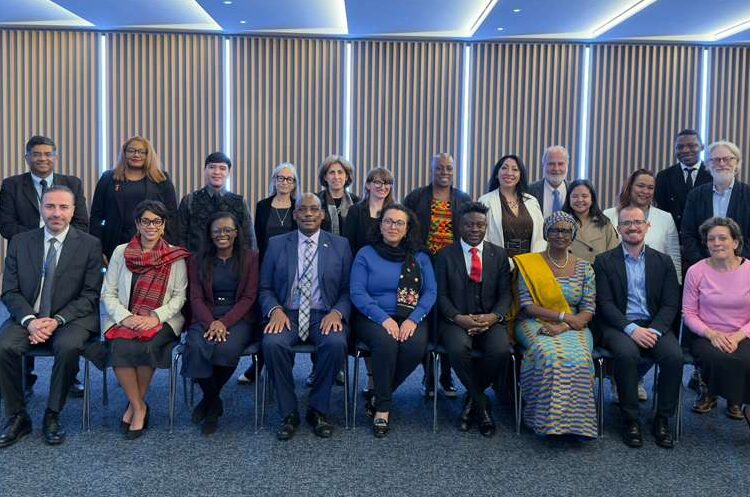
On 14 May 2026, GATE participated in the Interactive MSH, a crucial preparatory step led by the Multistakeholder Task Force (MSTF) and UNAIDS to inform the negotiations of the political declaration ahead of the 2026 High-level meeting on HIV/AIDS in June 2026.
This hearing fostered robust dialogue with civil society organizations, academia, and international stakeholders, alongside Member States, such as representatives from Brazil, Spain, Colombia, the Philippines, Indonesia, France, the European Union, and many more Member States who actively participated in the interactive dialogue.
GATE Executive Director, Erika Castellanos, not only served as the co-chair of MultiStakeholder Task Force (MSTF) but also served as moderator for Panel 2: “Delivering Equitable, People-Centered and Stigma-free Services for All Across the HIV Prevention, Treatment and Care Continuum”.
The session focused heavily on strategies to close access gaps for populations currently left behind by legal barriers, stigma, and discrimination. Along with MSTF, GATE’s trans leadership in this space ensured that trans and gender diverse priorities were unequivocally represented in the global discussion of HIV/AIDS response. You can watch the full session here (part 1).
Best Chitsanupong, GATE Human Rights Officer, also took the floor to deliver a critical intervention during Panel 4: “Community Leadership, Accountability and Inclusive Governance in a Changing HIV Response in the Context of Reduced Funding and Increased Reliance on Community Systems to Sustain the Response”.
The intervention highlights that severe stigma, discrimination, and political scapegoating make basic survival the primary concern for trans and gender diverse communities, critically increasing their vulnerability to HIV. Despite facing constant attacks and demonization, our communities remain resilient and essential to the frontline HIV response by actively providing care, financial assistance, and services to their peers. Read the full intervention here.
You can watch the full session here (part 2).
To achieve the 2030 goals and a generation free from AIDS, GATE urgently calls on Member States to reaffirm trans and gender diverse individuals as key populations, explicitly protect their identities from erasure, and unite in valuing the dignity of all humans so that no one is left behind.