

With AIDS 2026 wrapped up, a central message stood out from across the conference: health systems work better for everyone when the people most affected are trusted to shape the services designed to support them.
Communities must unite
At the “Women Know What Works” pre-conference, GATE’s Executive Director, Erika Castellanos, affirmed that trans communities are not simply recipients of health services – we have the power, trust and expertise to influence decisions affecting everyone’s lives.
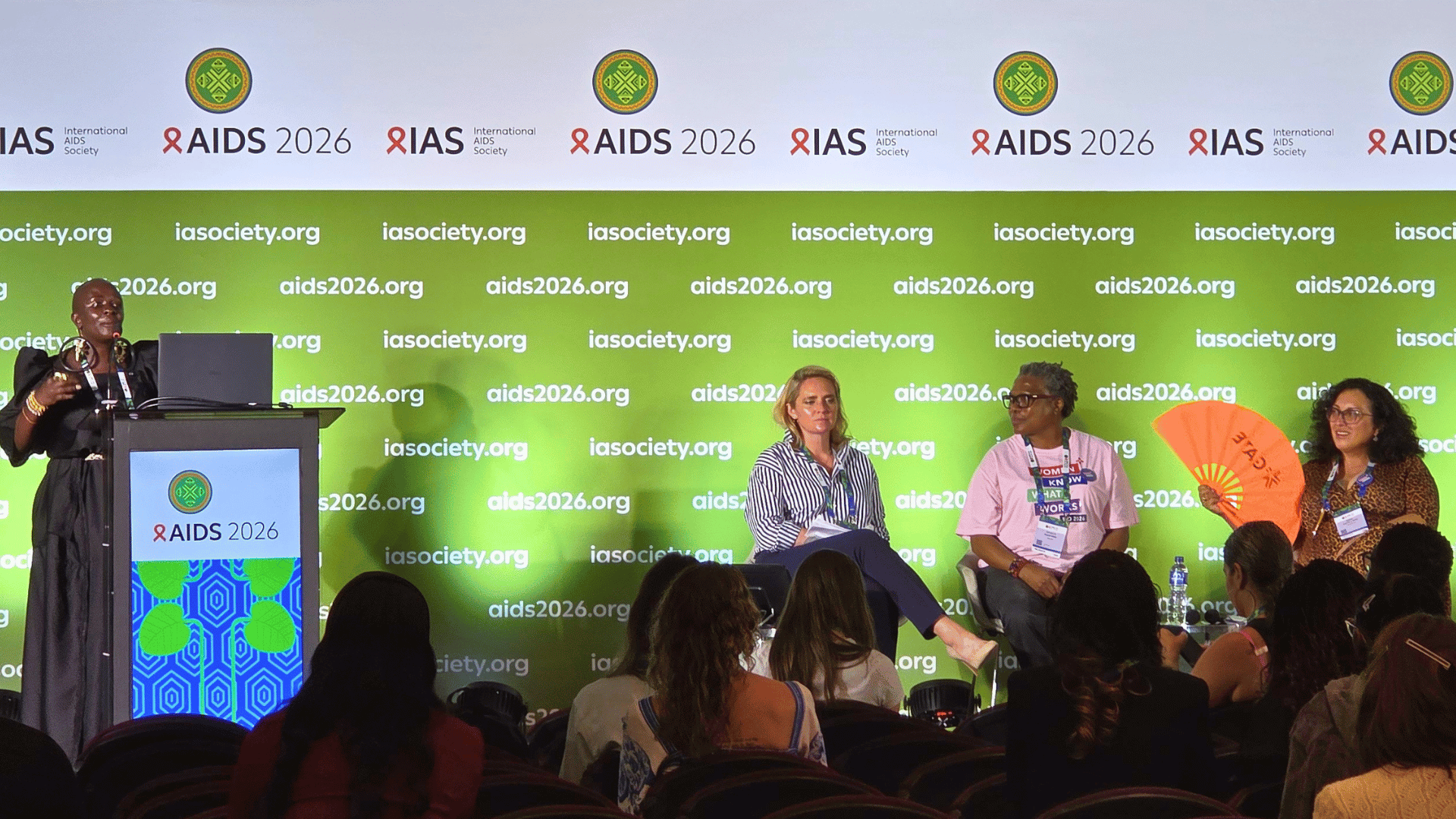
She called on all communities to unite against the rollback of human rights, highlighting that the anti-gender, anti-rights movement has united in their hatred against minorities: “they leave all their fights aside to unite in this one thing that brings them together,” and asked: “Why can’t we do the same thing?”
When politics blocks healthcare, everyone loses
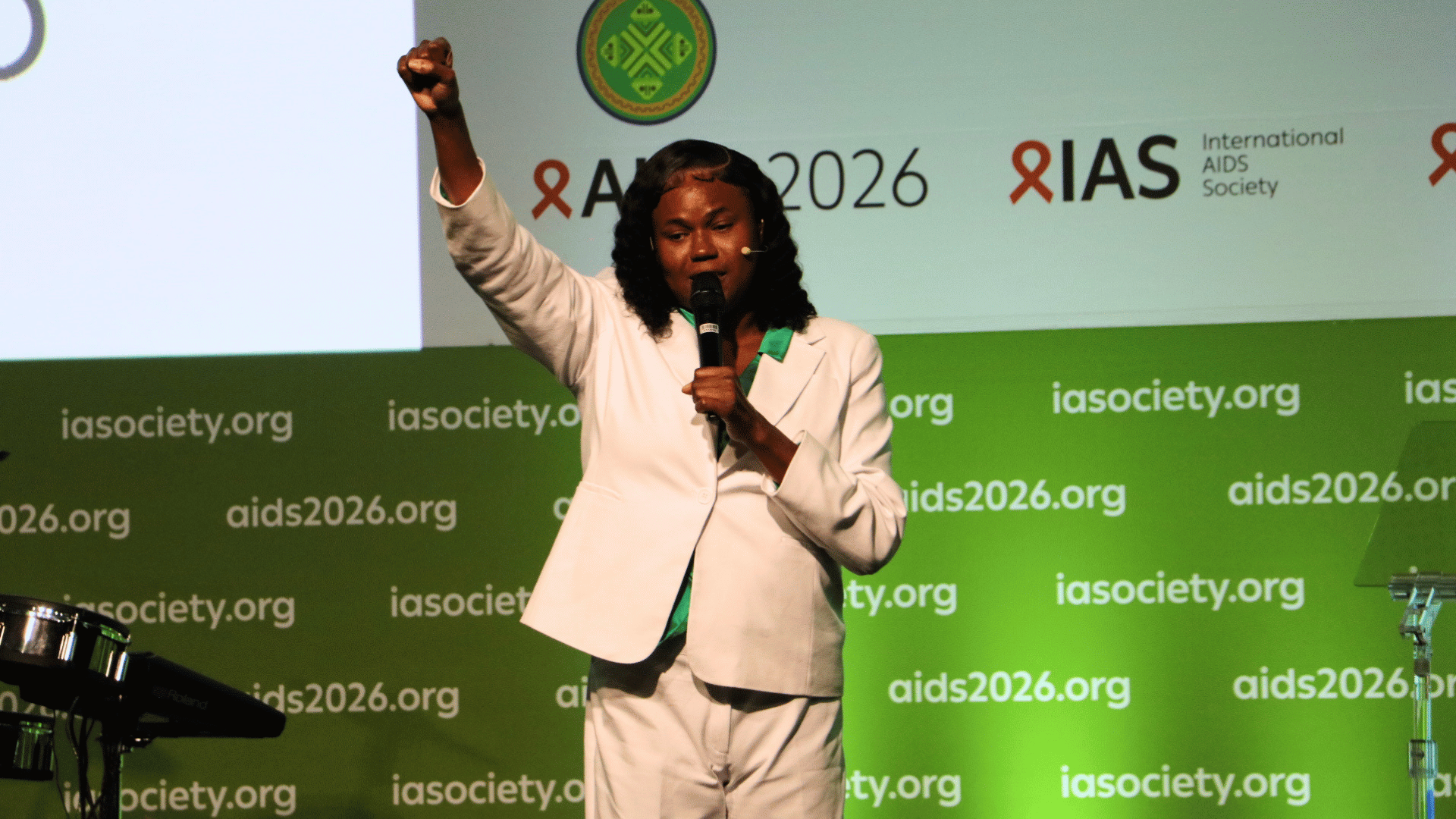
At the Opening Session’s communities’ speech, Alexus D’Marco shared her vision of uniting the trans community across the Caribbean, urging governments to put aside their hesitation and find the political will to continue to fund the HIV response. Highlighting the success of the United Caribbean Trans Network’s (UCTRANS) Trans Ambassador program, which gives a voice to communities across the islands to deliver real-time data on human rights and healthcare barriers that shape regional planning, her message was explicit – fund communities directly and trust us to drive critical change. The evidence was clear: a reduction in the rate of new acquisitions in the trans community, expanded access to HIV services and much-needed disaggregated HIV data.
In GATE’s Trans Networking Zone, a session on “Trans Communities Challenges & Solutions” presented our most recent research on how democratic erosion is removing access to healthcare worldwide, highlighting that the growing anti-gender movement is already dismantling the global health infrastructure, thus affecting whether or not people can access HIV prevention, testing and treatment. The data revealed the shocking reality faced by trans-led organizations:
- 92% reported that HIV services had been affected,
- 89% identified fear of discrimination or violence as a major barrier to seeking care.
Our data showed that if communities are too afraid to attend a clinic, if services are forced to close, or if healthcare providers succumb to political pressure by excluding marginalized communities, treatment will not transform the lives of those most affected, and we will miss our target of ending AIDS by 2030!
This is why protecting trans people’s healthcare is a public health matter for everyone. Political ideology cannot continue to determine who can or cannot access healthcare; otherwise, the integrity of the entire health system is at stake.
Healthcare must be accessible, not merely available
Several other sessions at the AIDS 2026 Conference challenged the assumption that just because a service exists, everyone can access it. This is far from the truth for most key and vulnerable populations living with or affected by HIV.
The “Protecting What Works” session, led by GATE, showed that integrating community services into primary healthcare cannot be a one-size-fits-all approach – as noted by Clarice Pinto from WHO. Alternatively, designing healthcare responses around people’s real lives rather than forcing people to fit into rigid systems ultimately benefits everyone who has struggled to navigate a complex, stigmatizing or inaccessible health system.
To safeguard trans and gender diverse communities, health systems must map exactly where these populations currently seek care and establish key population-specific data systems. GATE recommends that services must be explicitly co-designed with and for trans and gender diverse people to ensure they feel safe utilizing them.
But before we map where our communities seek these services, we need to first reach them and count them.
What you don’t count is being left behind.
Trans and gender diverse communities have been historically undercounted or excluded from data. At AIDS 2026, we wanted to ensure leaders understood the hidden costs of excluding trans people from the global HIV response.
In the Trans Networking Zone, GATE shared findings from the Power in Q Data Project – a collaboration with MPact Global funded by the Elton John AIDS Foundation – highlighting how trans and gender diverse populations remain the most systematically absent from data used to make decisions.
Poor decision-making will continue if trans people living with or affected by HIV are excluded from research, leading to exclusion from budgets and, ultimately, from the HIV response, leading to devastating consequences for society as a whole. Power in Q Data’s goal is to break that chain and ensure that trans communities are counted and explicitly included in the global HIV response.
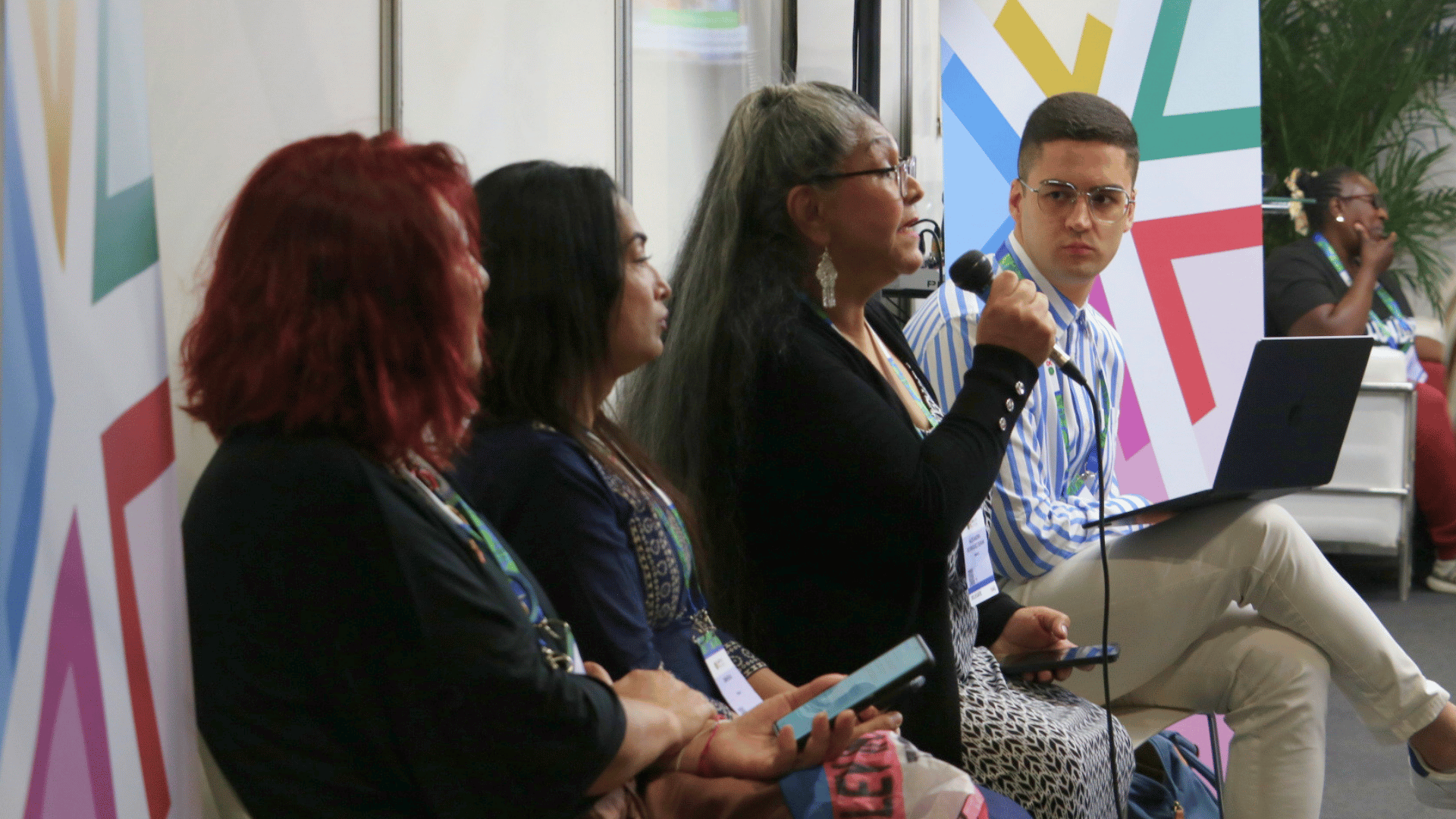
We cannot forget that data must be accurately representative of trans and gender diverse communities, as pointed out during “The Future Is Fluid: Implications for the HIV Response of the Increasing Diversity in Sexuality and Gender” session. Population-level surveys in several countries show that the proportion of people identifying with fluid sexual and gender identities is growing, especially among young people. Their needs and experiences are being left out of the existing binary gendered healthcare system. Without changing approaches, the HIV global response and the goals of ending aids by 2030 will not be reached. Another crucial aspect highlighted at AIDS 2026 regarding the feasibility of HIV programs relies on the way we collect data. Communities demanded the collection of data in a safe, secure and confidential way, especially data from trans and gender diverse communities in countries where their identities are criminalized or politically targeted.
A truly global health system cannot claim to serve everyone if its evidence base does not reflect everyone. Our communities need gender-affirming care, and the current HIV prevention responses are failing them.
Understand that gender-affirming care is HIV prevention
During the “Plenary Session: The future of HIV prevention”, Amanita Calderón-Cifuéntes of Trans Europe and Central Asia (TGEU) presented scientific evidence supporting the inclusion of gender-affirming care as a central pillar of HIV prevention for the trans and gender diverse community, demonstrating that it improves treatment engagement and adherence.
Similarly, another session titled “Identity as prevention: Legal gender recognition as a structural HIV intervention for trans communities” demonstrated how legal gender recognition can influence testing, PrEP access, treatment initiation and long-term retention in healthcare.
These discussions broaden the understanding of HIV prevention: it is not only about distributing medicines, but it is also about removing the social, legal and institutional barriers that determine whether someone can safely access those medicines in the first place.
To better understand what our communities need, GATE held a community consultation during the AIDS 2026 Conference.
New HIV technologies must come with real choice
GATE-led community consultation on long-acting HIV prevention and treatment offered an important reminder that innovation only has impact when communities can actually access and choose it. Participants welcomed long-acting options while making clear that they must complement, not replace, oral PrEP, condoms and other prevention choices.
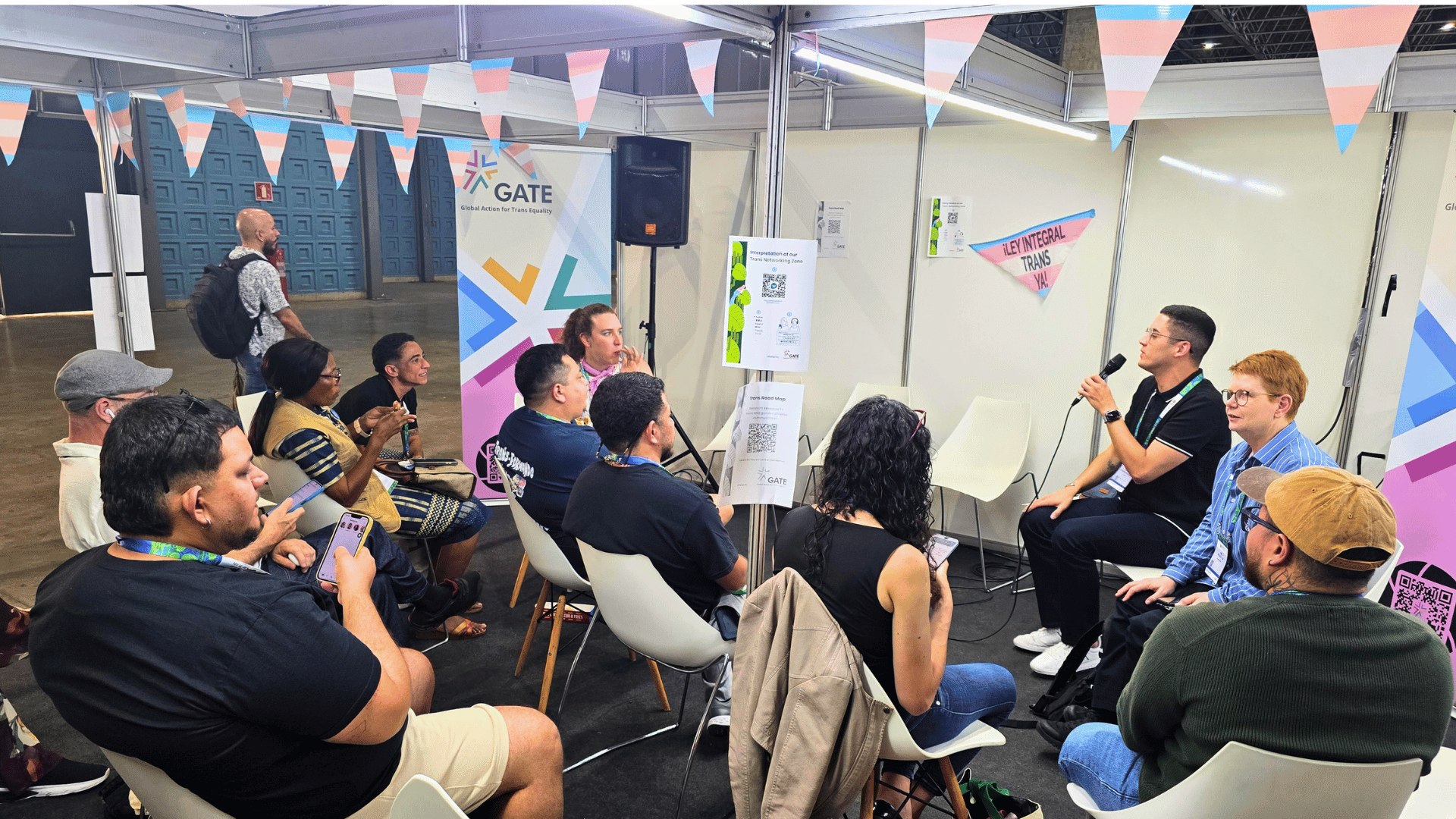
New technology should expand people’s choices, not narrow them. Innovation must be accompanied by affordability, community outreach, continuity of care and the freedom to choose what works for each person.
From global commitments to real action
Finally, the session “From Political Declaration to Community Action: Using the 2026 UN High-Level Meeting on HIV and AIDS as an Advocacy Tool” captured perhaps the most important challenge after AIDS 2026: commitments are only meaningful if they lead to change on the ground.
The 2026 UN Political Declaration on HIV and AIDS contains important commitments on key populations, community-led responses, financing, data and accountability. Communities must take these commitments back to governments, ministries, cities and health systems and demand real implementation.
Real commitments can become national policies, funded programs or safer clinics for our communities. GATE documented the achievements at the UN High-Level Meeting in New York in June, where the gaps were identified, and the issues of ongoing anti-gender attacks and the continued exclusion of trans and gender diverse people that threaten the global HIV response were highlighted.
These questions were posed at AIDS 2026:
Who gets counted? Who gets funded? Who gets to make decisions? Who can safely enter a clinic? Who gets to choose their healthcare?
The answer has always been clear.