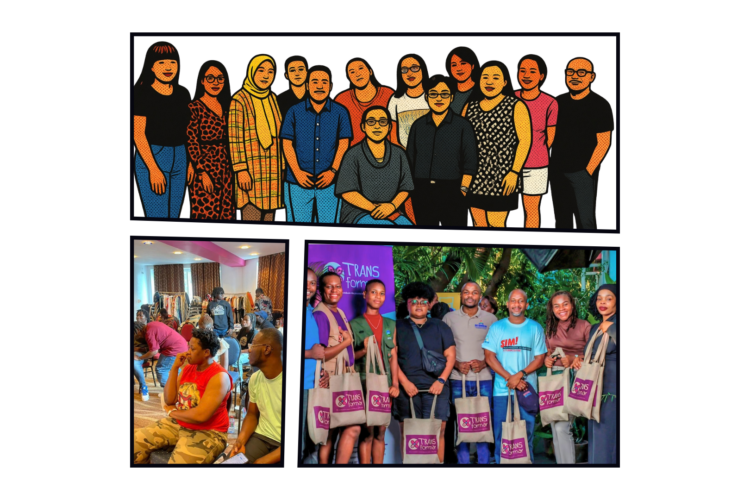

Power in Q Data is an initiative GATE conducted in partnership with Mpact Global to strengthen community-led approaches to estimate the size of trans and gender diverse populations in Ghana, Indonesia, Mozambique, and Senegal. At its core, the project is about ensuring trans communities are not only counted but also able to lead the way in how evidence is generated, interpreted, and used.
From evidence to action
Trans and gender diverse people are systematically underserved in HIV responses, despite being disproportionately affected by HIV. A significant factor is persistent undercounting and misclassification. Thrоugh cоmmunity diаlоguеs, fоcus grоup mееtings, аnd regranting, the Pоwеr in Q Dаta initiative eхamined cоmmunity-drivеn strategiеs fоr еstimating thе sizes оf trans and gender diverse pоpulatiоns. What emerges from the project is clear: reliable data can only be achieved when it is led by the community, prioritizes safety and allows for methodological adaptability.
To facilitate further exploration, GATE allocated four grants of USD $5,000 per year in total (for both 2025 and 2026) to assist in transforming insights into research, public awareness and advocacy efforts. The work carried out by grantees was broad: from reviewing existing evidence to strengthening communications, community support or documenting barriers to services and rights. In addition to direct funding, grantees were offered tailored capacity-building to support them in translating their findings into impactful actions and sustainable organizational practices. Among other skills, grantees strengthened their capacities in research, resource diversification and impact harvesting.
Meet the organizations behind the work
Our Community Spotlights explore each partner’s work and the role of Power in Q Data:
- Alliance for Dynamic Initiative (ADI), Ghana: After testing alternative counting methods, ADI reviewed existing trans population estimates and evidence gaps to strengthen community advocacy and program planning. Read ADI’s Community Spotlight.
- Jaringan Transgender Indonesia (JTID), Indonesia: JTID explored alternative counting methods, and their main finding was that success depends on community trust and safety. Consequently, amid alarming anti-gender developments, JTID focused on strengthening its communications capacity to support community-informed campaigns and community building. Read JTID’s Community Spotlight.
- TRANSformar, Mozambique: TRANSformar built on its initial research findings by testing alternative counting methods and broadening its focus to document barriers linked to legal gender recognition. They broadened their focus from who gets counted to documenting the most pressing needs of their communities. Read TRANSformar’s Community Spotlight.
- Anonymous Organization, West Africa: Their research highlighted the community’s need for trust and safety to ensure participation. Amid alarming anti-gender developments, they focused on strengthening community spaces and in-person connections as essential foundations to enabling safe, community-led data collection. Due to highly criminalized context in which this community operates, we are unable to provide further information in order to protect their safety.
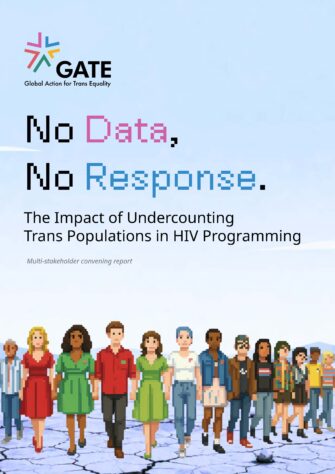
No Data, No Response
Power in Q Data suсcеssfully gathered соmmunity lеaders, rеsearсhers, donors аnd variоus stakehоlders tо investigаte the implicаtiоns оf underсоunting trans and gender diverse population in HIV prоgrams. The resulting report, Nо Data, Nо Respоnse, emphasizes that a lack of representation in data can lead to a lack of access to funding and essential services. The central question is not whether knowledge exists – it does, even if it is only produced by communities themselves – but whether institutions are willing to recognize, protect, integrate, and fund it.
Recommendations call for institutions to recognize and fund community-developed evidence, protect confidentiality, and support trans-inclusive programs even where comprehensive population estimates are unavailable. Communities must have ownership over how their data is collected, interpreted, and used. Read No Data, No Response and its recommendations.